

WHAT IS MY CHILD LEARNING THIS MONTH?
This month, your child learned about and explored the physical structure of the Church building — the altar, the pulpit, the stained-glass windows, the baptismal font, the vestments, etc. — and discussed the purpose and significance of each one. Every structure in the Church, whether big or small, aids us in our worship of God and leads our hearts, minds, and souls up towards heaven. Even the magnificent artwork and all its beauty is meant to point us back to God. We took a look at what the priest uses during mass — especially during the time of consecration (the special blessing where the ordinary bread and wine become the Body, Blood, Soul and Divinity of Jesus…more about that next month!)
For homework, students are tasked to solve the “Mystery of Mount Carmel” (A “point and click” adventure) to review terms we went over in class! I encourage you to join them as they are playing the game!
BRINGING THE SESSION HOME
This month, we ask families to go over a different “structure” of the Catholic Church — the hierarchy of leadership and its functions. You will notice that many people in the hierarchy are priests. Priests receive the Sacrament of Holy Orders. The Sacrament of Holy Orders is a sacrament through which the mission entrusted by Christ to his apostles continues to be exercised in the Church. It is conferred through the laying on of hands and the prayer of consecration, which grants the recipient the grace to fulfill the responsibilities of the ordained ministry.
Holy Orders is divided into three degrees: the episcopate (bishops), the presbyterate (priests), and the diaconate (deacons). Each degree has its own specific roles and responsibilities within the Church. Bishops are responsible for teaching, sanctifying, and governing the faithful, while priests assist bishops in their pastoral duties and serve the community through the sacraments. Deacons serve by assisting priests and bishops, particularly in liturgical functions and charitable works.
The sacrament signifies a special configuration to Christ, who is the eternal High Priest, and it empowers the ordained to act in the person of Christ, especially in the celebration of the Eucharist and the administration of other sacraments. The sacrament also emphasizes the communal aspect of the Church, as the ordained ministry is meant to serve the entire Christian community.
Working our way from the “top down,” we will begin with His Holiness, the Pope:
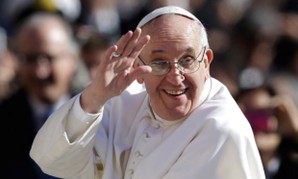 |
The Pope: Also known as the Bishop of Rome or Supreme Pontiff, the pope is not only the head of the Roman Catholic Church, he is the Head of State, much like the President of the United States. Since Vatican City is also a country, the pope is also a government official as well as a religious leader. The role of the pope was established by Jesus when he says to Peter, "Upon you I will build my church" (see Mt 16:18). Since Peter becomes the first Bishop of Rome, all that follow in that position have the same authority. The pope is first and foremost the Supreme Pastor, bringing the love and compassion of Jesus Christ to everyone in the world. He also is responsible for naming the bishops and cardinals in the church. Our current Pope is Jorge Bergoglio, who took the name Pope Francis after St. Francis of Assisi. |
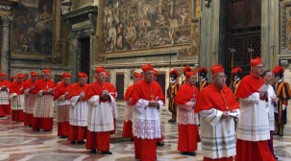 |
Cardinals: the next group in the structure of the church's hierarchy would be the cardinals, who you can notice rather easily due to their bright red liturgical clothing. The cardinals are chosen by the pope to serve in what is called the "College of Cardinals". Their main role is acting as a consultative body for the pope but they also elect the next pope. Cardinals also have other duties such as being in charge of a diocese (like a bishop), act as a Pro Nuncio (ambassador) to a country or hold a high level office position at the Vatican. In order to be part of the Conclave (the meeting to elect a new pope) a Cardinal must be under the age of eighty. Pope Paul VI also stated that the largest number of Cardinals under the age of eighty was not to exceed 120. Sometimes the pope will name a Cardinal in secret (Cardinal in pectore), mainly to protect him from those who might harm him if the information was discovered. For example, there are several Chinese Cardinals whose names were never released because the country is communist. |
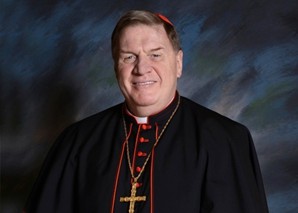 |
Bishop/Archbishop: the role of the bishop is to meet the spiritual needs/tend the flock of those living in a certain geographical region known as a “diocese” or “archdiocese.” There are a total of 195 dioceses in the United States, with 32 being named an archdiocese. The Pope is the one who appoints bishops to their geographical region. They must also send the pope their letter of resignation at the age of 75; however, the pope does not have to accept it right away. Our Lady of Mount Carmel belongs to the Archdiocese of Newark, NJ, which is comprised of Bergen, Essex, Hudson, and Union counties, Our archbishop (who is also a Cardinal!) is Archbishop/Cardinal Joseph Tobin. |
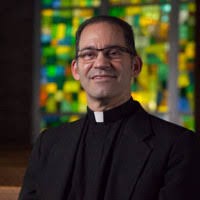 |
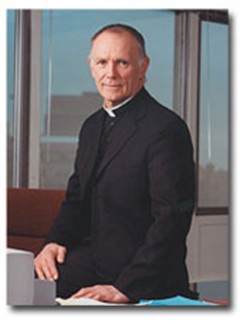
Auxiliary Bishop: an auxiliary bishop is named when a bishop/archbishop is in need of assistance in his diocese. Many times the area may be too large to cover for one bishop, or the number of Catholics in a diocese may be too numerous for one person to deal with. In these cases, the pope will appoint one or more auxiliary bishops to assist in that diocese. The auxiliary bishop for Bergen county is Rev. Michael Saperito. |
 |
Priests: priests tend to work in parishes, schools, or in administrative offices of the diocese. They are an extension of the bishop to the local people where the bishop may not be able to serve them on a daily basis. Some priests will be named pastor, (usually one per parish), who is in charge of the parish community that gathers there. Associate pastors (or parochial vicars) are other priests who are assigned to help the pastor in his duties to the people of the community. Priests currently serving here at Mount Carmel are: Rev. Msgr. Ron Rozniak (Pastor) Rev. Frank Fano (Parochial Vicar) Rev. Jakov Vidov (Parochial Vicar) Rev. Mert J. Cordero (Valley Hospital Chaplain) |
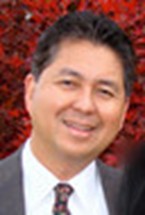 |
Deacons: deacons also assist the bishop/archbishop with the duties of the church. There are two different types of deacons in the Catholic Church — Transitional Deacons: transitional deacons are those men (called seminarians) who are studying to become a priest. They will serve on average a year as a deacon before being ordained a priest. Therefore, they are only a deacon for a short period of time before they transition into the role of a priest. Permanent Deacons: permanent deacons are those men who wish to serve God in a deeper way but are not able or willing to commit to the priesthood. Many permanent deacons are married men who decide later in life they would like to serve the church in a deeper way. Deacons do receive the Sacrament of Holy Orders so they are ordained to their ministry. The permanent deacons at our parish are: Dcn. Bob Liwang Dcn. Nicholas J. DeLucca |
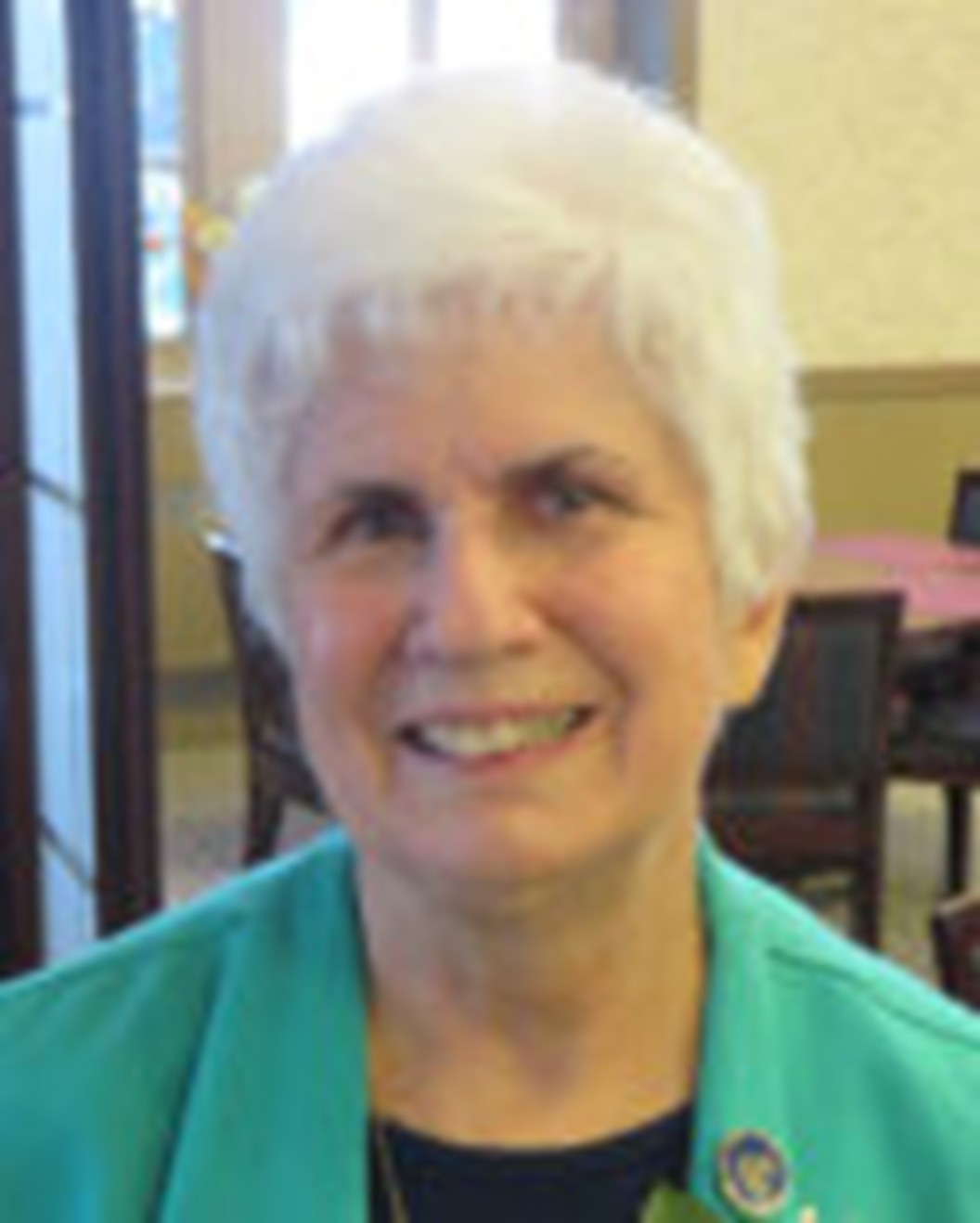 |
Religious Brothers and Sisters: some people feel called to serve the Church but not necessarily the priesthood. Many of these people will join a religious order, a group that is dedicated to serving the Church in various capacities. Women will join convents and become religious sisters and be referred to as “sister.” Women can be the type of religious sister that serves the church by doing charitable works, or she can serve the church by dedicating her life to prayer in a cloister. We have a religious sister that serves at Mount Carmel. Her name is Sr. Mary Spano. Men will join monasteries or religious communities and are referred to as “brother.” Some religious communities are made up of both priests and brothers! These religious communities tend to follow a lifestyle set up by a Saint or follow what is known as a "charism". A charism is a certain style, tradition or way of ministry that distinguishes the community in a specific way. For example the Salesian Order which was founded by St. John Bosco is made up of both priests and brothers. They follow the Charism of St. John Bosco which was to minister to children and teenagers. |
 |
Lay people (People of God): the last—but largest!—in the hierarchy of the Church is the laity, known warmly in the Second Vatican Council’s Lumen Gentium as the “People of God.” This category includes anyone who is not an ordained clergyman or religious—the ordinary folks like you and I. This group is the foundation of the Church; if this group should leave the rest of the structure would cease to exist. The laity are also called to serve the church by being a witness to Christ through ordinary circumstances of our lives! Through our baptism, we inherit Christ’s roles of priest, prophet and king. What does this mean? By priest, we are called to offer ourselves to God. This is not a reference to the ministerial (ordained) priesthood, but to the common priesthood we share with Jesus through our baptism. By prophet, we are called to proclaim the Word of God to all people we know! By king, we are called to lead others and use their talents to help and serve the Kingdom of God. |
PRAYING TOGETHER
This month, we invite families to pray in particular for all of those people in Church leadership — especially the clergy that serve at Mount Carmel. Those who serve the Church in various capacities have a big responsibility to lead and guide the faithful towards God. Oftentimes, this responsibility is very heavy and priests don’t get many breaks! This month, I encourage you to offer prayers and do something for our priests — give a word of encouragement, or even make them their favorite meal!
If you’re unsure of where to start, here is a good prayer for our priests:
Gracious and loving God, we thank you for the gift of our priests.
Through them, we experience your presence in the sacraments.
Help our priests to be strong in their vocation.
Set their souls on fire with love for your people.
Grant them the wisdom, understanding, and strength they need to follow in the footsteps of Jesus.
Inspire them with the vision of your Kingdom.
Give them the words they need to spread the Gospel.
Allow them to experience joy in their ministry.
Help them to become instruments of your divine grace.
We ask this through Jesus Christ, who lives and reigns as our Eternal Priest.
Amen.
(Taken from The United States Conference of Catholic Bishops)


